Home / Bees / Bee Swarm: What to Do
Bees
Bee Swarm: What to Do
Short Answer
A bee swarm is a large group of bees that has left its hive to look for a new home, and it usually settles in a cluster on a branch, a fence or a wall. With a bee swarm, the most useful first step is to leave the bees alone and call a local beekeeper, who can advise on whether the colony can be moved.
At a Glance
- First step: A beekeeper, and sealing gaps afterwards
- Usual cause: If the nest is inside the structure
- What helps: Leave the bees alone and call a local beekeeper
- When to get help: A swarm looking for a sheltered nesting place
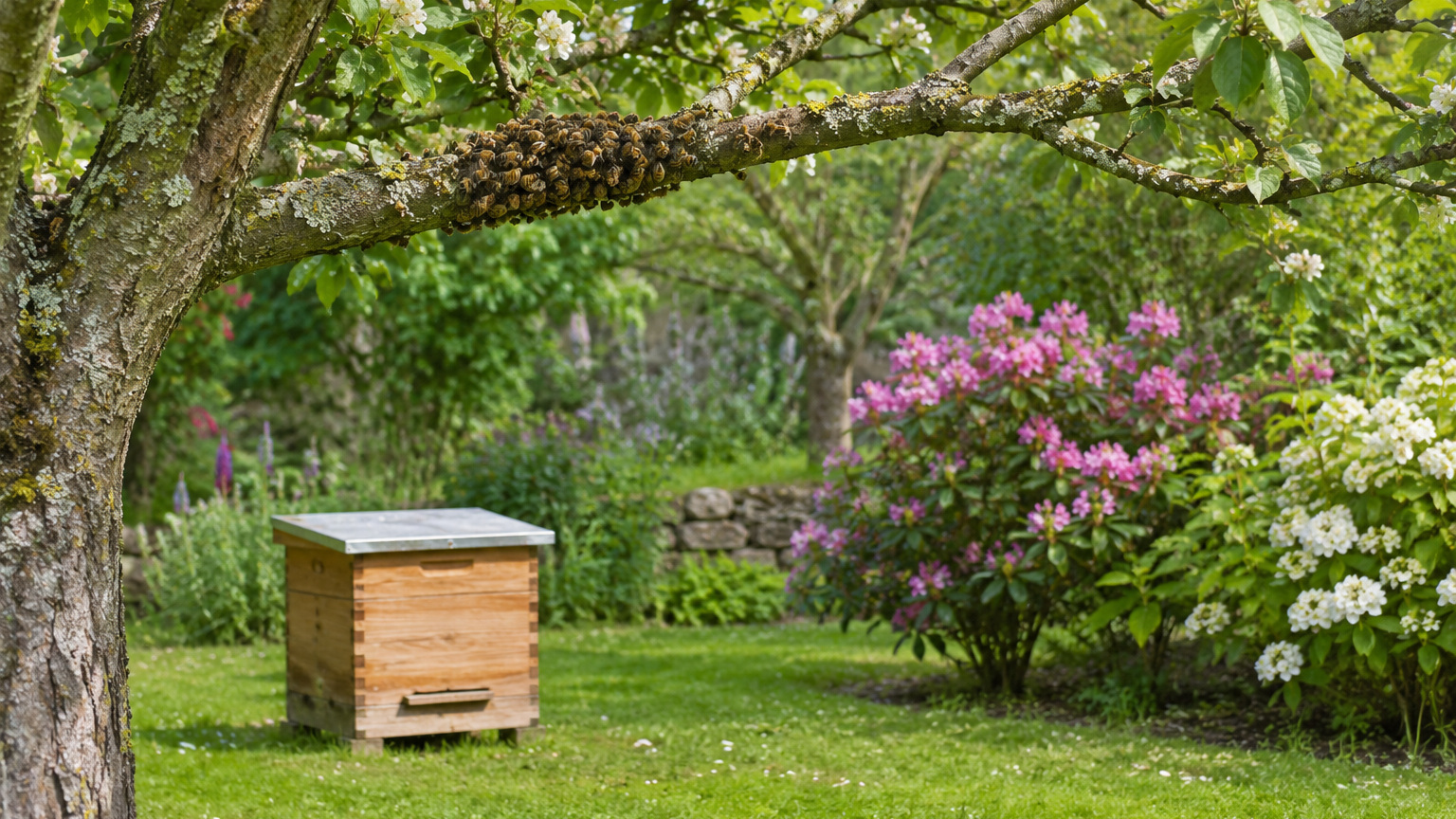
A swarm should be left alone, and a local beekeeper should be called, because a beekeeper can often collect the swarm safely. The practical answer is to avoid disturbing the bees and to call a beekeeper first, because they know how to move a colony safely. Read on for a clear picture of what is happening.
When it keeps coming back
A bee swarm is a large group of bees that has left its hive to look for a new home, and it usually settles in a cluster on a branch, a fence or a wall. With a bee swarm, the visible pests are often a small part of the whole, so finding the source matters more than counting what you see.
If a product is used for a bee swarm, read the label fully first and keep it for reference, because the instructions are specific to that product. A chimney that is rarely used can be part of a bee swarm, so check whether it is capped or open before assuming the route is elsewhere.
What to avoid
A plant brought indoors can occasionally be part of a bee swarm, so check the soil and the leaves before placing it near other plants. The first few days of a bee swarm are the best time to act, because the problem is usually smaller and easier to trace then.
The guide on dealing with bees looks at the same problem from a different angle, and reading the two together can help you see the full picture of a bee swarm. A product that works for a bee swarm in one home may not suit another, because the layout, the pets and the children in the house all differ. With a bee swarm, a sealable box is a better home for dry food than an open bag, and it also makes it easier to see whether anything has been disturbed. A swarm should be left alone, and a local beekeeper should be called, because a beekeeper can often collect the swarm safely.
What to check around the home
With a bee swarm, blocking a gap with a suitable filler or sealant can be a quiet fix that lasts far longer than a spray. A regular check for a bee swarm takes only a few minutes, and it is easier than dealing with a larger problem later on.
Swarming bees are not looking for food or a fight, and they will usually move on within a day or two if they are left alone. When a bee swarm is found in a garage or shed, remember that those spaces are rarely sealed, so the aim there is to keep pests out of the house itself.
A beekeeper should be called before a pest controller when bees are involved, because a nest is normally left alone or moved by that beekeeper, and bees are beneficial pollinators protected in practice by wildlife law.
What the signs can tell you
A torch and a few quiet minutes can reveal a lot about a bee swarm, especially in cupboards, under sinks and behind appliances. If a bee swarm is worse at night, check the room after dark with a torch, since several pests are most active when the house is quiet.
A swarm is a sign that a colony is healthy and growing, and the bees in it are valuable pollinators that should be protected.
Why a bee swarm happens
The guide on bees in the wall looks at the same problem from a different angle, and reading the two together can help you see the full picture of a bee swarm. If a bee swarm is in a child's bedroom, keep the response simple and calm, and avoid products in the room unless the label clearly allows it. With a bee swarm, a second visit or a follow up check is sometimes part of the work, because the first visit does not always find the nest. A neighbour with the same problem can be a useful clue for a bee swarm, because pests do not always respect the boundary between homes.
A damp patch or a slow leak can encourage a bee swarm, so fixing the dampness often helps more than treating the pest alone. People often find that a bee swarm looks worse than it is at first, and a short period of watching helps to put it in proportion.
How to make the home less inviting
When a bee swarm involves a nest, the nest itself is usually hidden, and the pests you see are only the ones travelling to and from it. When you are dealing with a bee swarm, keeping the area clean and dry removes much of what draws the pest in.
With a bee swarm, patience matters, because the signs can take a week or two to fade even after the cause has been dealt with. Most cases of a bee swarm build up quietly, so noticing the pattern early makes the rest of the work much simpler.
Simple steps that often work
With a bee swarm, it is worth checking under the sink, because a slow drip there can keep a small area damp enough to attract pests. When a bee swarm is found in a rented home, a note to the landlord or letting agent early on can save confusion about who arranges the next step.
What to do now
- Leave the swarm alone, because swarming bees are not looking for food or a fight and will usually move on within a day or two if they are left alone.
- Call a local beekeeper, because a beekeeper can often collect the swarm safely.
- Remember that a swarm is a large group of bees that has left its hive to look for a new home, and it usually settles in a cluster on a branch, a fence or a wall.
- Keep children and pets away from the swarm while it is settled.
- Do not disturb the bees, because the practical answer is to avoid disturbing them and to call a beekeeper first.
- Check whether the chimney is capped or open, because a rarely used chimney can be part of the problem.
Through the year
A swarm is most likely in spring and summer, when a colony is healthy and growing and leaves its hive to look for a new home.
- January
- February
- March
- April
- May
- June
- July
- August
- September
- October
- November
- December
DIY or professional
Do it yourself
Leaving the swarm alone and calling a beekeeper are the householder steps, and a swarm will usually move on within a day or two if it is left alone.
Ask a professional
A local beekeeper should be called before a pest controller when bees are involved, because a beekeeper can often collect the swarm safely.
More guides on this topic