Home / Bed Bugs / Bed Bug Heat Treatment Explained
Bed Bugs
Bed Bug Heat Treatment Explained
Short Answer
Heat treatment warms a room to a temperature bed bugs cannot survive, killing adults, young bugs and eggs in one visit. It typically costs £1,000 to £1,500 for up to three bedrooms, with an average of about £1,200.
At a Glance
- How it works: Specialist heaters warm the room for several hours
- Kills: Adults, young bugs and eggs together
- Typical cost: £1,000 to £1,500 for up to three bedrooms
- Preparation: Some items must be removed first
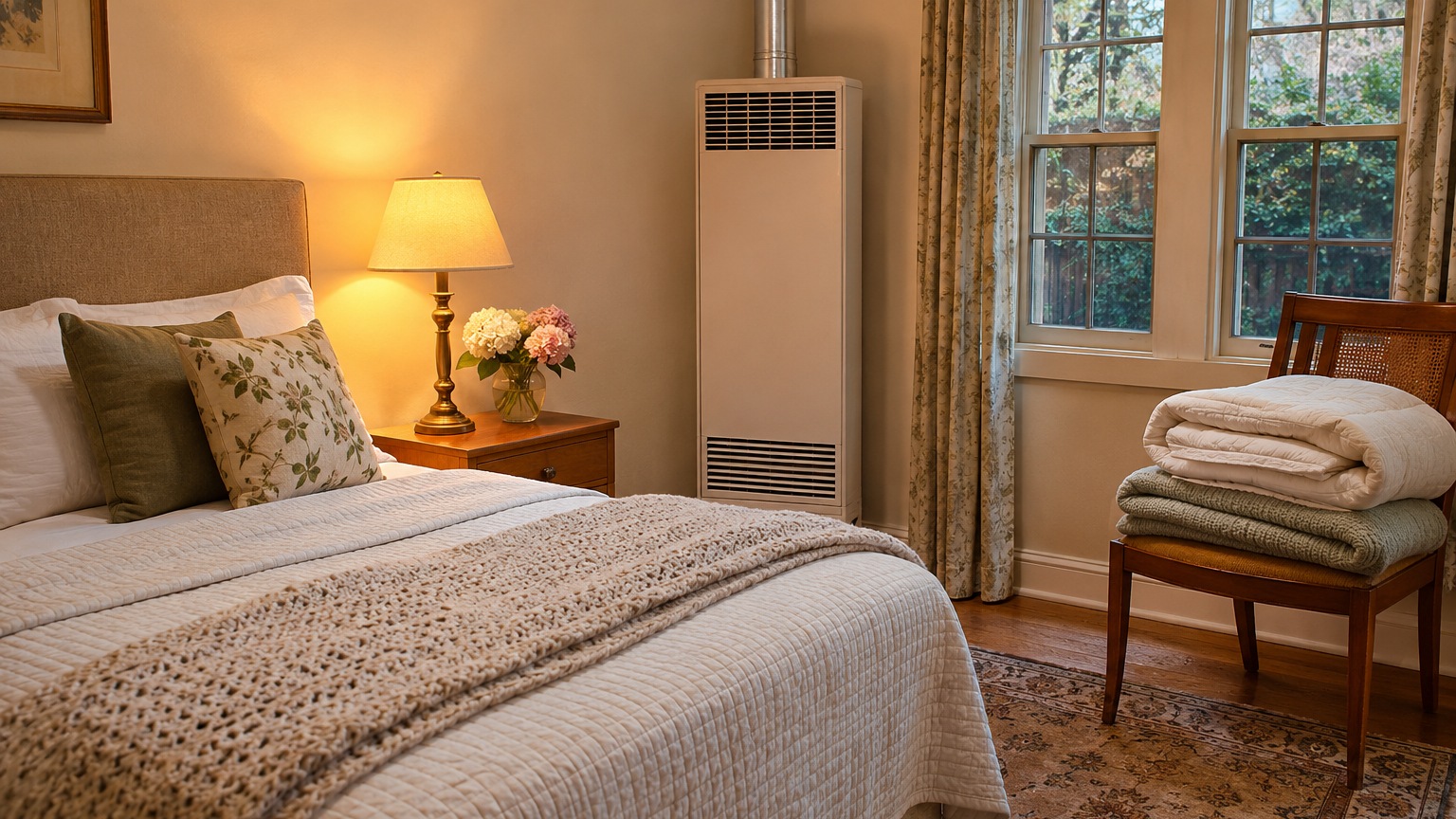
Bed bug heat treatment uses specialist heaters to raise a room to around 50 degrees for several hours, a temperature that kills bed bugs at every stage of life, including the eggs. It is a chemical-free option that can clear a room in a single visit, and it is often chosen when spray treatments have not worked or when the problem covers several rooms at once.
How heat treatment works
A technician brings in industrial heaters and fans, seals the room, and raises the temperature steadily while monitoring it with sensors placed around the room. The heat needs to reach into the mattress, the furniture and the cracks where bugs hide, so the process takes several hours rather than minutes.
Temperature sensors make sure no cold spots remain, since a single cool corner could shelter survivors. Once the room has held the right temperature for long enough, the equipment is removed and the room is left to cool. There is no chemical residue to air out afterwards.
Why heat kills every stage
Sprays can miss eggs, which is why a spray treatment often needs a follow-up visit a couple of weeks later. Heat does not have that gap, because the eggs die at the same temperature as the adults. That is the main reason people choose heat treatment when they want the problem finished in one go.
It also helps where bugs have become less affected by a particular spray after repeated use. Heat works the same way every time, regardless of what sprays have been tried before. That reliability is part of what you are paying for.
What it costs
Heat treatment is the most expensive option for bed bugs. Published UK cost guides, checked in November 2026, put heat treatment for up to three bedrooms at £1,000 to £1,500, with an average of about £1,200. The price depends on the size of the property, the number of rooms treated and how far the problem has spread.
Always get two or three quotes and ask exactly what each one includes, such as the number of rooms, preparation help and any follow-up check. A standard spray treatment, by comparison, runs from about £100 to £280, so heat treatment is a bigger decision, and it is worth understanding the difference before you commit.
Heat is the one treatment that does not leave eggs behind to hatch later.
Preparing the room
The company should give you a preparation list before the day. Items that melt or could be damaged by heat, such as candles, aerosols, certain medicines and some electronics, usually need to come out of the room. Plants and pets must be out too, and the room should be left tidy so the heat can circulate.
Furniture generally stays where it is, which is one advantage over other methods, since moving infested furniture can spread bugs to other rooms. Loose items in drawers can often stay, but the technician may ask you to open drawers and wardrobes so the hot air can reach inside.
What happens on the day
Expect the technician to arrive in the morning and to spend most of the day on site. They will set up the heaters, place sensors, and check the temperature regularly. You will need to stay out of the room while it is heated, and the company will tell you when it is safe to go back in.
Afterwards, the room is checked for any signs of remaining activity. Some companies include a follow-up inspection a few weeks later, so ask whether that is part of the price. Keep checking the bed yourself in the weeks after, just as you would after any treatment.
When it is the right choice
Heat treatment suits a problem that has spread across several rooms, or one that has already survived a spray treatment. It also suits people who want to avoid chemicals in a bedroom, for example where a baby sleeps, or where someone in the household is sensitive to sprays.
For a small problem confined to one bed, a standard treatment is usually enough and far cheaper. Our comparison of treatment options sets out the choices side by side, so you can weigh cost against the size of the problem before deciding.
Limits to be aware of
Heat treatment clears the room, but it does not stop bed bugs coming back if the source is not dealt with, such as infested luggage from a trip or second-hand furniture. It also cannot be used in every building, since some rooms lose heat too quickly or have features that cannot take the temperature.
A good company will tell you honestly if your home is not suitable, rather than going ahead anyway. Ask what happens if bugs are found again after the treatment, and whether a repeat visit is covered. If heat does not suit your home, the steps in our guide on getting rid of bed bugs set out the alternatives. That answer tells you a lot about the company you are dealing with.
What to do now
- Ask the company for its preparation list before the day, and take candles, aerosols, certain medicines and some electronics out of the room.
- Move plants and pets out of the room, and leave the room tidy so the heat can circulate.
- Open drawers and wardrobes where the technician asks, so the hot air can reach inside, and leave the furniture in place.
- Stay out of the room while it is heated, and wait for the company to tell you when it is safe to go back in.
- Ask whether a follow-up inspection a few weeks later is part of the price, and what happens if bugs are found again after the treatment.
- Keep checking the bed yourself in the weeks after, just as you would after any treatment.
Through the year
Heat treatment works in any month, since it warms the room itself to around 50 degrees for several hours, and it is chosen when sprays have failed or the problem covers several rooms.
- January
- February
- March
- April
- May
- June
- July
- August
- September
- October
- November
- December
DIY or professional
Do it yourself
Heat treatment is not a do-it-yourself job, since it needs industrial heaters, fans and sensors placed around the room, and some homes lose heat too quickly for it to suit them.
Ask a professional
A technician seals the room, raises the temperature steadily while monitoring it with sensors, and checks for any signs of remaining activity afterwards.
Published UK cost guides, checked in November 2026, put heat treatment for up to three bedrooms at £1,000 to £1,500, with an average of about £1,200 and the price depending on the size of the property and the number of rooms treated.
More guides on this topic