Home / Ants / Ant Traps: Do They Work
Ants
Ant Traps: Do They Work
Short Answer
Ant traps are small boxes containing bait, and ants carry the bait back to the nest where it is shared. With ant traps, the most useful first step is to find what is drawing them in and deal with that, rather than chasing every ant you see.
At a Glance
- First step: Watch the trail and find the food or entry point
- Usual cause: Food, warmth or a small gap near the room
- What helps: Clean up food, seal gaps, and be patient
- When to get help: If ants keep returning after several weeks
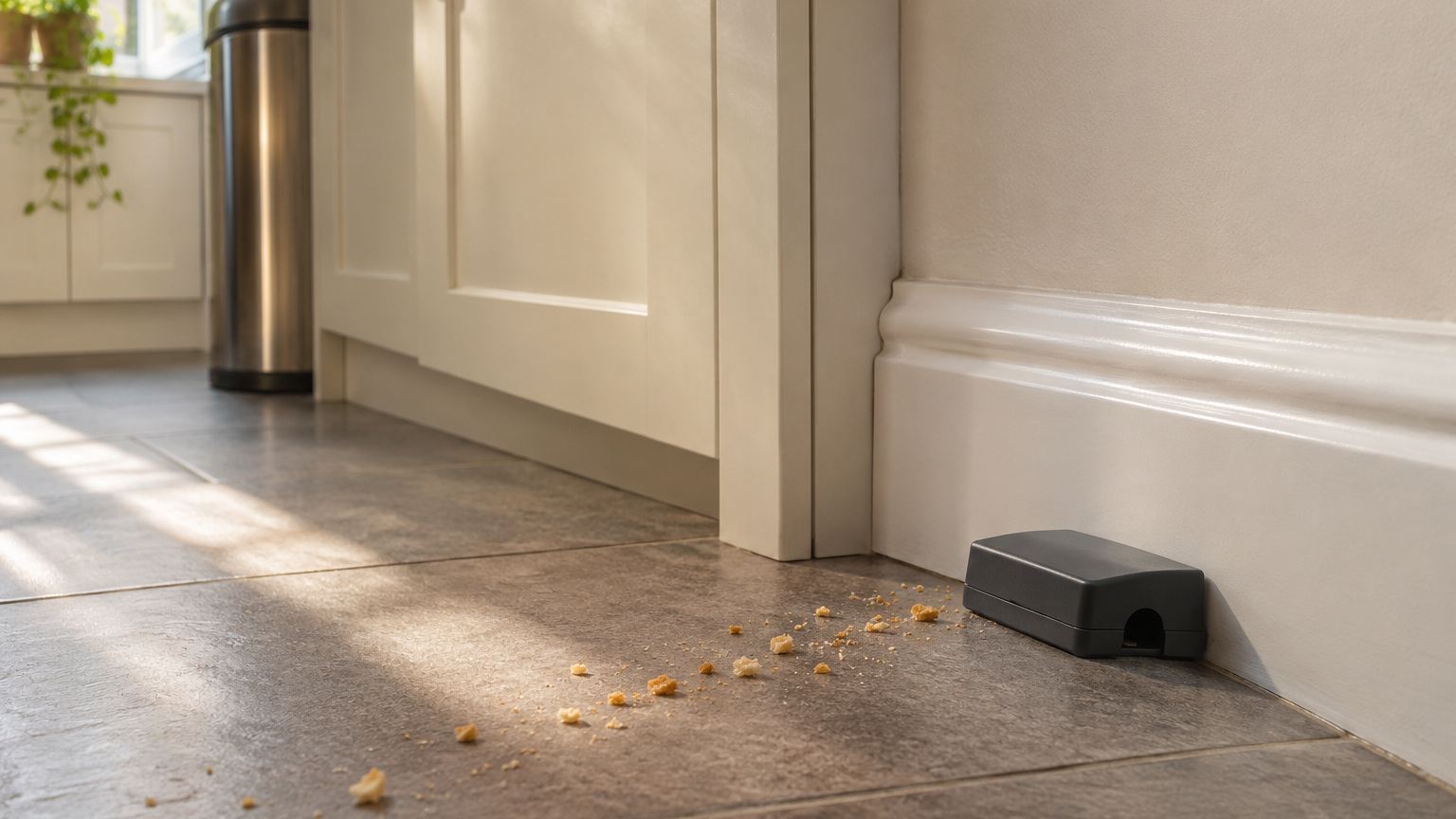
A trap is most useful when placed close to a trail, rather than in a random corner of the room. In practice, ant traps is usually a small problem with a clear cause, and a few steady changes around the home are often enough to bring it under control without fuss or hurry. Keep reading for a practical way through the problem.
Keeping ant traps from returning
Ant traps are small boxes containing bait, and ants carry the bait back to the nest where it is shared. With ant traps, check the back of the cupboard as well as the front, because the back corners are rarely disturbed and pests know it.
When ant traps is new to a home, the cause is often something ordinary, such as a gap around a pipe or a door that does not close well. If ant traps shows up in the loft or the cellar, check for stored boxes and old fabric, since undisturbed storage suits many pests.
Why ant traps happens
The label on any product used for ant traps will say where it can be used and where it should not be, and those limits are there for a reason. With ant traps, a calm record of what you see is more useful than a guess, and it also helps if you later ask someone else for advice.
The guide on getting rid of ants looks at the same problem from a different angle, and reading the two together can help you see the full picture of ant traps. If ant traps is near a window, check the frame and the sill for gaps, because a window that does not seal well can be an open invitation. A tidy cupboard or shelf can make ant traps less likely, because there is less for a pest to hide behind or feed on. A trap is most useful when placed close to a trail, rather than in a random corner of the room.
What to check around the home
With ant traps, it helps to clear clutter from the floor for a while, because clear floors make it easier to see where pests are travelling. With ant traps, the question to keep asking is what the pest is finding here, whether that is food, warmth, shelter or water.
Traps are not a quick fix, and it can take a week or more before fewer ants are seen. With ant traps, the space behind a washing machine or dishwasher is worth a look, because warmth and occasional dampness suit many pests.
When to ask someone else for help
A plant brought indoors can occasionally be part of ant traps, so check the soil and the leaves before placing it near other plants. When ant traps appears near food, move the food into sealed jars and wipe the shelves, because even a thin film of sugar can attract pests.
With ant traps, good ventilation helps, because damp air suits many pests and makes a room harder to keep clean and dry. Traps work best alongside cleaning up food and sealing entry points, rather than on their own.
If a trap is not touched after several days, the ants may be using a different route or a different food source.
What usually helps
The guide on flying ants looks at the same problem from a different angle, and reading the two together can help you see the full picture of ant traps. With ant traps, a second visit or a follow up check is sometimes part of the work, because the first visit does not always find the nest. With ant traps, a vacuum cleaner is a useful first tool, because it removes pests, crumbs and dust in one pass without any chemicals. When ant traps is found in a cupboard, empty it fully before cleaning, since pests and their traces can hide behind jars and packets.
A chimney that is rarely used can be part of ant traps, so check whether it is capped or open before assuming the route is elsewhere. If ant traps involves stored food, check the packets at the back of the shelf first, since those are the ones that sit longest and are checked least.
When it keeps coming back
When you are dealing with ant traps, keeping the area clean and dry removes much of what draws the pest in. With ant traps, the kitchen and the bathroom are the rooms to check first, because food and water are usually nearby.
With ant traps, small changes to how a room is used can make a real difference over a few weeks. A regular check for ant traps takes only a few minutes, and it is easier than dealing with a larger problem later on.
What to avoid
With ant traps, it is worth keeping a simple record of what you tried and when, so you can tell what actually helped. With ant traps, the visible pests are often a small part of the whole, so finding the source matters more than counting what you see.
When ant traps involves a nest, the nest itself is usually hidden, and the pests you see are only the ones travelling to and from it. When ant traps appears in more than one room, start with the room where it is worst, and work outwards from there in a steady order.
What to do now
- Place the trap close to a trail, rather than in a random corner of the room, because that is where it is most useful.
- Remember that traps are small boxes containing bait, and ants carry the bait back to the nest where it is shared.
- Wait a week or more before judging the trap, because traps are not a quick fix and fewer ants may take time to show.
- Clean up food and seal entry points alongside the trap, rather than relying on the trap on its own.
- If a trap is not touched after several days, look for a different route or a different food source the ants may be using.
- Take everything out of the cupboard before you clean it, since ants and their traces can hide behind the jars at the back.
Through the year
Ant traps are used when ants are travelling, which is mainly in the warm months when the colony is active.
- January
- February
- March
- April
- May
- June
- July
- August
- September
- October
- November
- December
DIY or professional
Do it yourself
Placing bait traps beside the trail and keeping the area clean and dry are householder steps, and the label on any product will say where it can be used.
Ask a professional
If ants keep returning after several weeks, a professional can look for the nest, since the first visit does not always find it.
More guides on this topic